
Lawn Aeration and Overseeding in Rockford, IL
Aeration, dethatching and overseeding for thin lawns. Free quotes.
- Owner-operated
- Open Mon-Sun 8 AM to 7 PM
Serving Rockford, Loves Park, Machesney Park, Roscoe, Rockton, South Beloit, Belvidere and Poplar Grove, IL, and Beloit, WI.
What lawn aeration and overseeding covers
Half an inch. That is where University of Illinois Extension draws the line on thatch. Under it, the layer cushions the lawn. Over it, pests and disease move in.
Lawn aeration and overseeding is three jobs that work together. Aeration pulls small plugs from packed soil so water and air reach the roots. Dethatching clears built-up dead grass. Overseeding adds new seed to thin or bare spots.
Stateline Pros Landscaping does this for homes around Rockford, Roscoe and Machesney Park.
Measure before you pay for dethatching
Don't pay for dethatching until someone has measured your thatch. Dethatching tears up the lawn, and Extension says the thatch comes back unless you fix what built it.
Know what builds thatch
Heavy wet soil, compaction, too much nitrogen and overwatering build thatch. Grass clippings do not, as long as you never cut more than a third of the blade (see lawn care and mowing).
We measure first
So we measure first. Most thin lawns get aeration and seed. Dethatching goes in only when the layer tops half an inch.
Included
What is included in lawn aeration and overseeding
- 01A yard visit to measure thatch, check how packed the soil is and mark the bare spots
- 02Core aeration in two passes at right angles, on soil that is damp but not soggy
- 03Dethatching when the thatch is over half an inch
- 04Seed matched to your grass and your sun, with the variety names on the bag
- 05Seed spread at the rate for that grass, then raked in lightly for soil contact
- 06Starter fertilizer on the seeded areas
- 07The soil cores left on the lawn
- 08A one-page watering and mowing plan for the weeks after
Not included / Offered by our other services
What is not included in lawn aeration and overseeding
- Weed killers and other weed work (see weed control)
- Regular feedings (see lawn treatment)
- Mowing (see lawn care and mowing)
- A brand-new lawn laid as sod (see sod installation)
- Regrading, drainage fixes and hauling in topsoil (see dirt, gravel and grading)
- Irrigation and sprinkler repair
The watering after seeding is yours. Everything else on the job is ours.
Extension aims for 15 to 20 holes per square foot, and two passes get you there. The cores act as topdressing, so they stay where they land.
We pick seed the way a skeptic would. No bulk-bin seed, no mixes that hide the varieties, no annual ryegrass. Purdue's lawn guide warns against all three.
Ryegrass stays at 10 to 15 percent of a blend, because more of it invites disease later.
How much seed goes down
| Seed | Pounds per 1,000 sq ft (bare soil) |
|---|---|
| 100% Kentucky bluegrass | 1.5 to 2.0 |
| Kentucky bluegrass with 10 to 15% perennial ryegrass | 3.0 to 4.0 |
| 100% tall fescue | 6.0 to 9.0 |
How lawn aeration and overseeding works
- 01. Call or send details Give us your address and tell us how the lawn looks. A photo of the thin spots helps.
- 02. We check the lawn We cut a small wedge of turf, measure the thatch, test how hard the soil is and note the shade.
- 03. You get a free quote It names the work, the seed and the date we aim for.
- 04. We aerate Two passes at right angles, a few days after a good rain, when the soil is slightly damp.
- 05. We dethatch if the layer calls for it This goes in late August, right before seeding.
- 06. We seed and rake Seed goes down at the rate for your grass, and we rake it in lightly so it touches soil.
- 07. You water New seed wants water two to four times a day, depending on the weather, to keep the top half inch to an inch of soil moist. At about 2 inches of growth, water less frequently and deeper. After two or three mowings, switch to deep and infrequent.
Best time of year for lawn aeration and overseeding
Seed goes down August 15 to September 15. Purdue's lawn guide calls that window the best for the northern half of Indiana and Illinois, and Rockford sits well inside it. Go early. A week of delay can push a new stand's maturity back 2 to 4 weeks.
- 01Spring
Spring
- Core aeration
If your lawn is packed but not thin, a spring aeration works too.
- 02Book
Booking
Mid-July for August
- August fills first
Book in July for August.
- 03Dethatching
Late August
- Dethatching
Extension: the best time for recovery and reseeding of cool-season lawns.
- 04Best window
Seeding
August 15 to September 15
- Seeding
- Fall aeration
The best window for northern Illinois. We pair the fall aeration pass with seed.
What affects the price of lawn aeration and overseeding
- Lawn size. More grass means more passes and more seed.
- Seed type. A 5,000-square-foot lawn takes 7.5 to 10 pounds of Kentucky bluegrass at the bare-soil rate, or 30 to 45 pounds of tall fescue. Tall fescue costs more in seed alone.
- Thatch depth. A lawn that needs dethatching takes an extra pass and extra cleanup.
- Access and soil. Slopes, gates, tight access and rock-hard soil add time.
- How many jobs. A lawn that needs only aeration costs less than one that needs all three jobs.
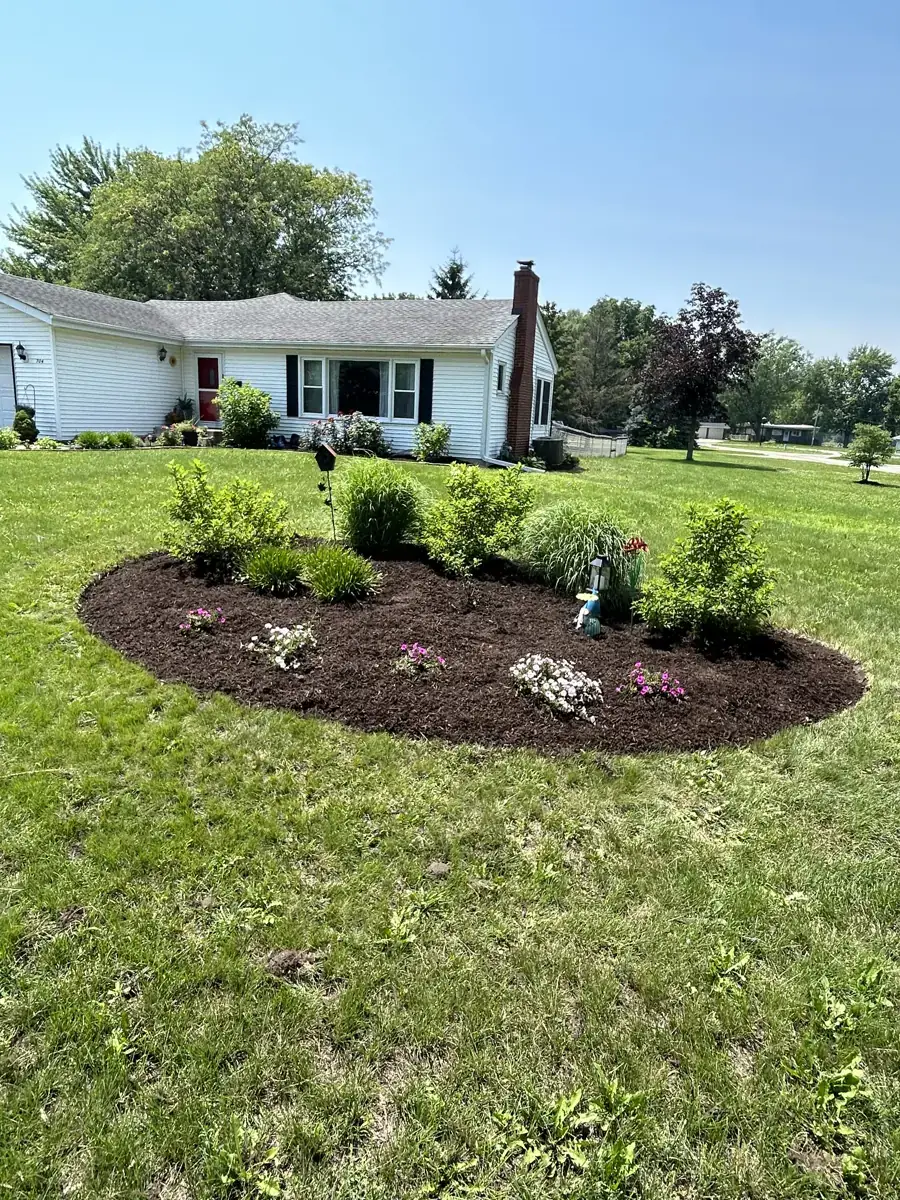
Oval planting bed
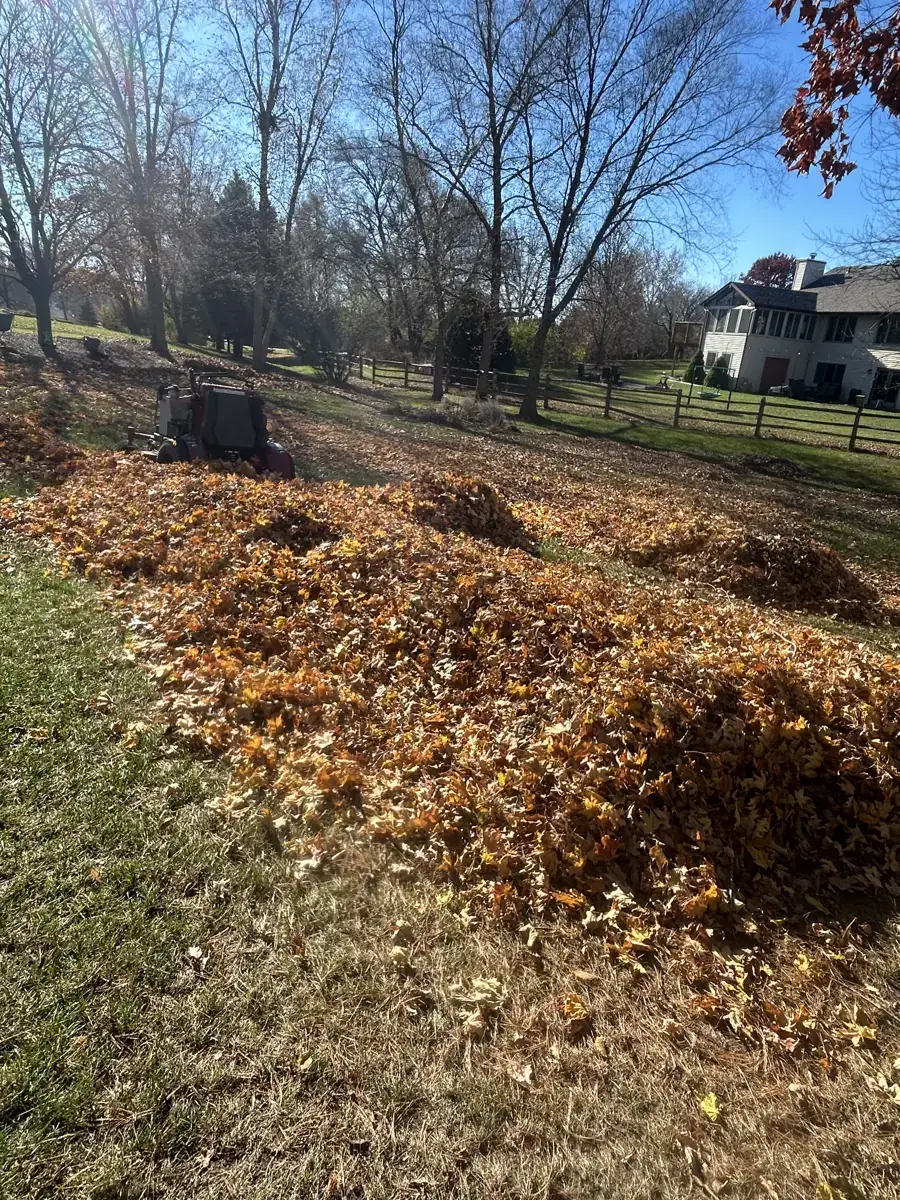
Fall leaf cleanup
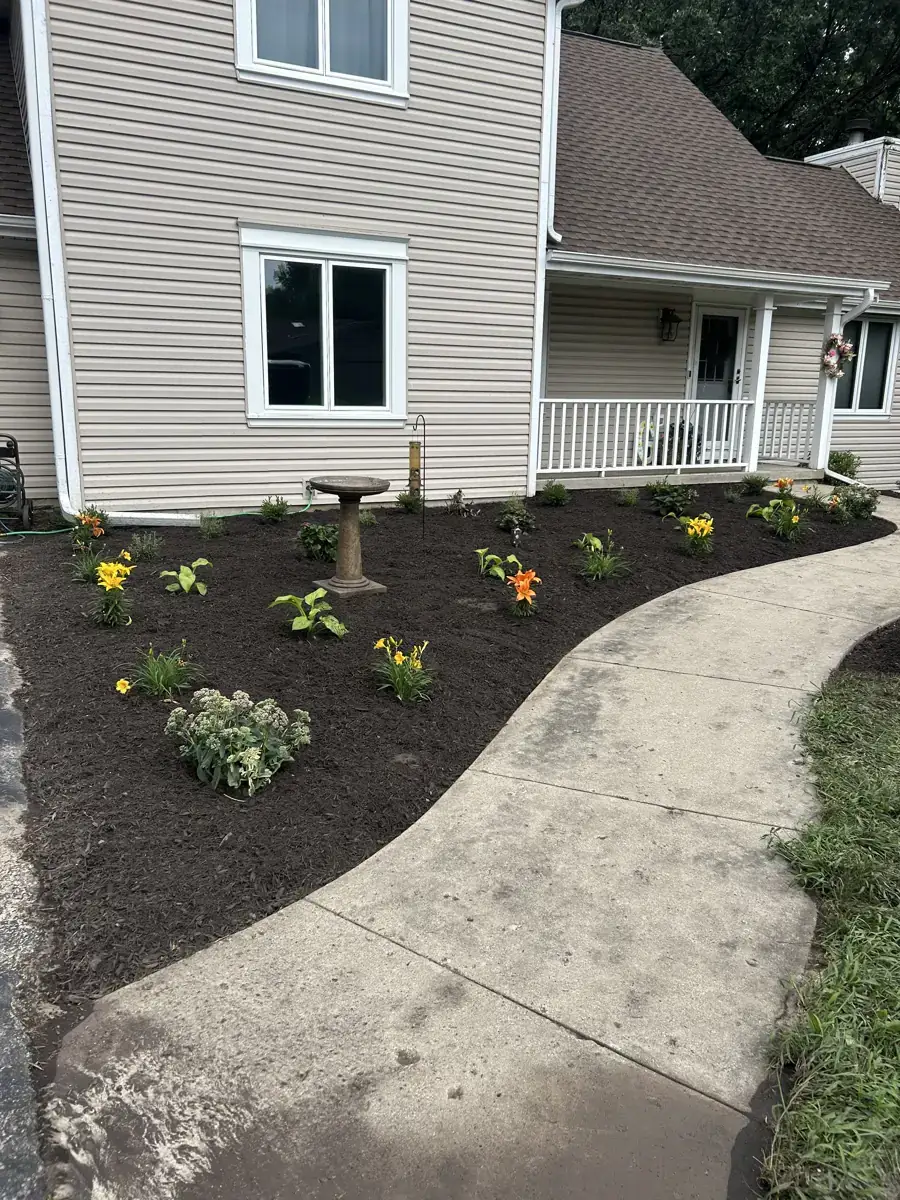
Planting bed with flowers
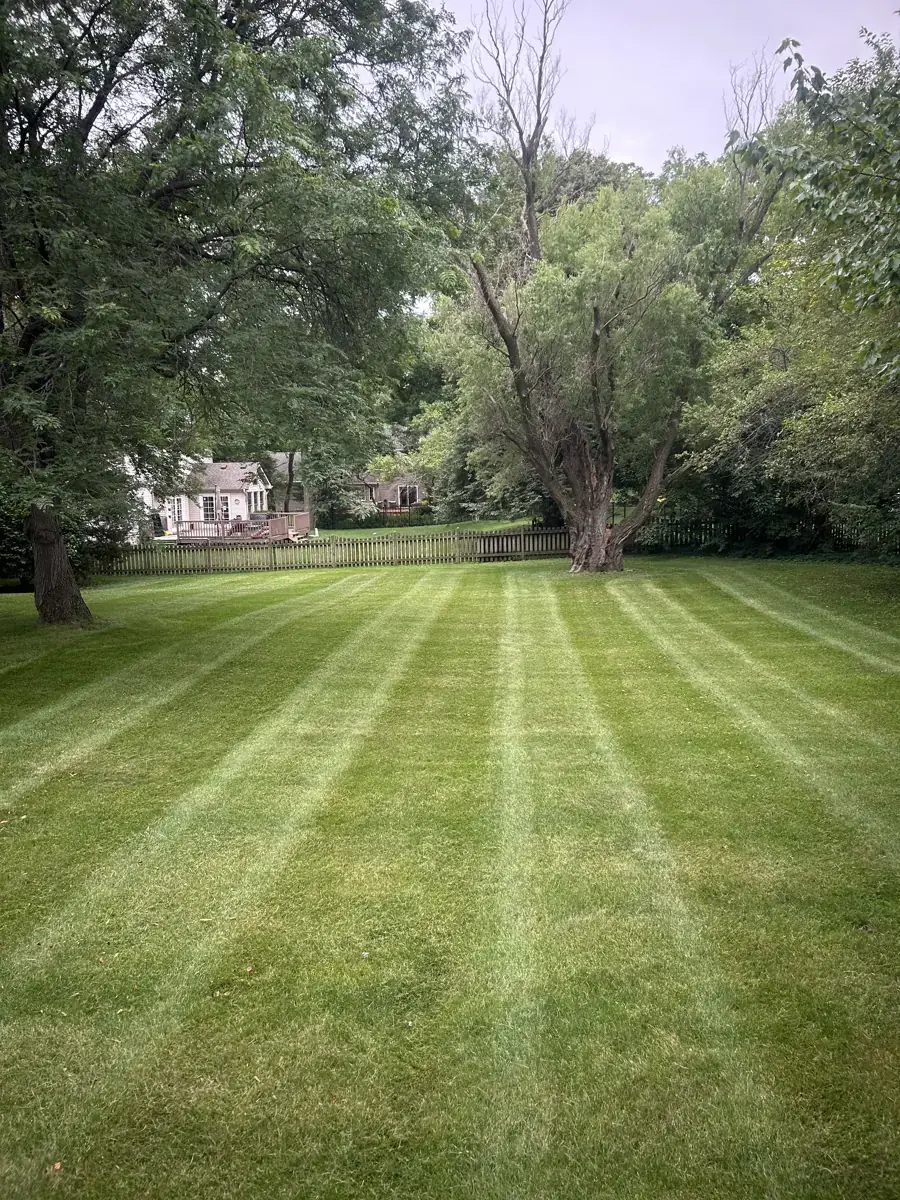
Striped lawn
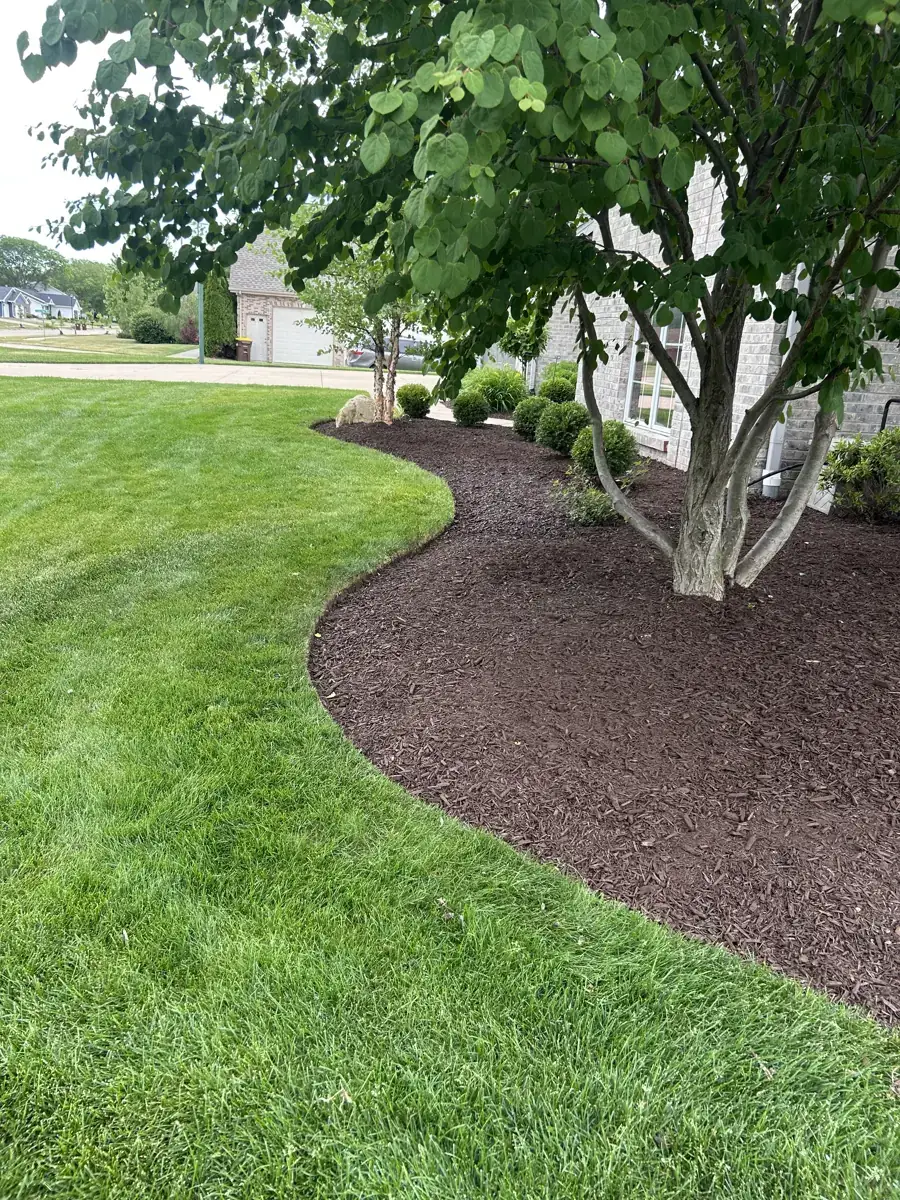
Curved mulch bed
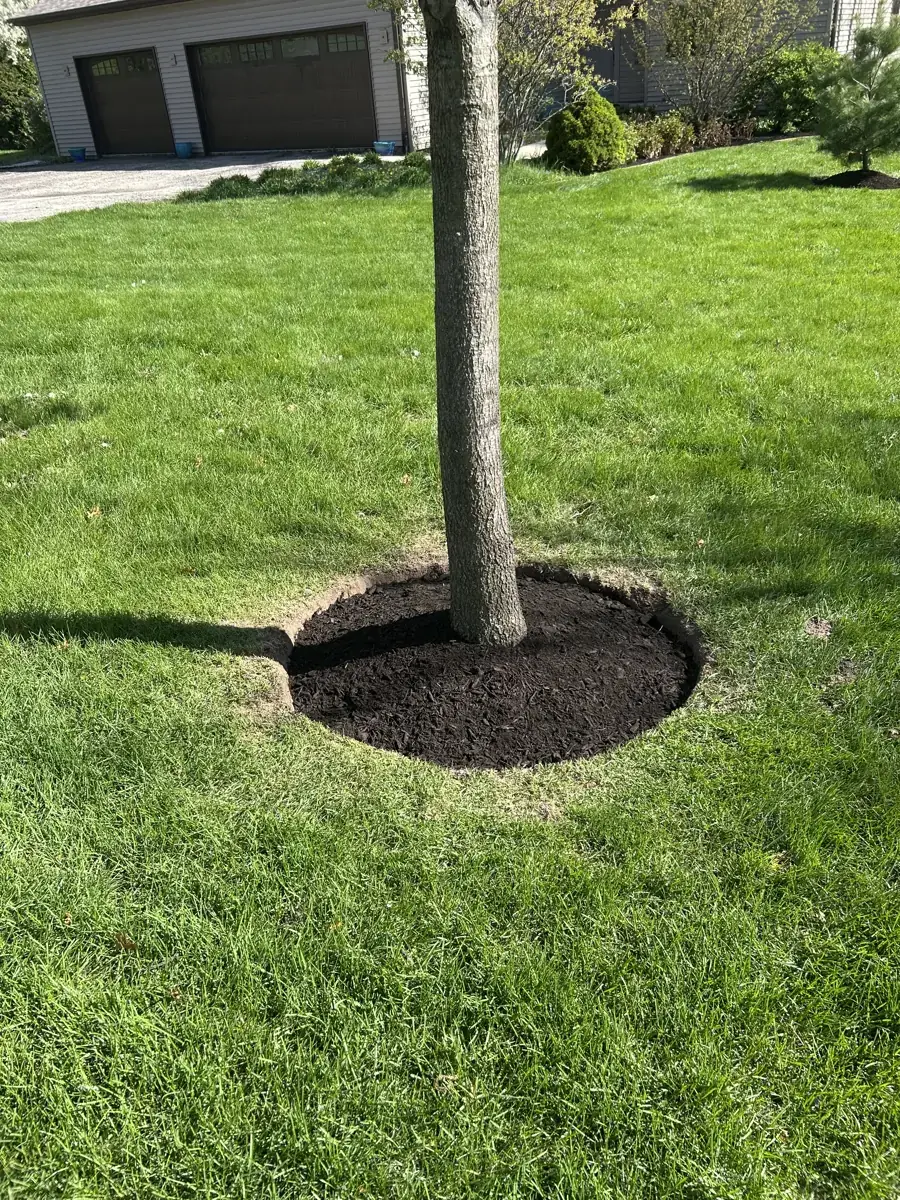
Mulch ring around a tree
Lawn aeration and overseeding in nearby towns
We also work in these areas. Much of Winnebago County sits on silty soil over glacial till that drains slowly, which is why compaction shows up here. Soil and shade change from yard to yard, so we look at yours before we write the plan.
Related services
Questions homeowners ask about lawn aeration and overseeding
Do you give free quotes?
Yes. Call (773) 971-2821 or send a few details: your address, how the lawn looks now and whether you water it. We measure the thatch and check the soil before we write the plan, because that decides whether you need one job or three, and then you get a number with no pressure.
Where do you work?
We work in Rockford, Loves Park, Machesney Park, Roscoe, Rockton, South Beloit, Belvidere and Poplar Grove in Illinois, plus Beloit, Wisconsin. Not sure about your address? Call and ask, and we'll tell you straight whether it's in our range before you spend time on a quote.
When is the best time to overseed in Rockford?
Between August 15 and September 15. Purdue's lawn guide names that window as the best for seeding in the northern half of Indiana and Illinois. Seed early in it, because a week of delay can push a new lawn's maturity back 2 to 4 weeks, so we book August jobs in July.
What is the difference between aeration and dethatching?
Aeration pulls plugs of soil out of the lawn, which loosens packed ground and helps drainage. Dethatching pulls out the dead grass on top of the soil, and it damages the lawn while it works. We aerate most thin lawns and dethatch only past half an inch.
How much thatch is too much?
Half an inch. Extension says a thinner layer cushions the lawn and a thicker one invites pests and disease. Cut a small wedge of turf and measure the brown layer between the green blades and the soil, or let us measure it on the free visit.
How often do I water after overseeding?
Two to four times a day, depending on the weather. Keep the top half inch to an inch of soil moist, not soaked. At about 2 inches of growth, water less frequently and deeper, and after two or three mowings switch to deep, infrequent watering.
When can I mow the new grass?
Once the seedlings are tall enough to cut. Purdue's guide sets the first cut at 1.5 inches for bluegrass and ryegrass and 2 inches for tall fescue, and it never takes more than a third of the blade. After three or four mowings, raise the mower to your normal height.
What are the dirt plugs on my lawn after aeration?
They are soil cores pulled out of the ground by the aerator. Extension says the cores work as topdressing, so leave them where they land. Mow as normal, and don't rake them up or haul them off. Raking them off throws away soil the lawn can use.
Get a free quote
Call (773) 971-2821 or send a few details. Open Mon-Sun 8 AM to 7 PM.